


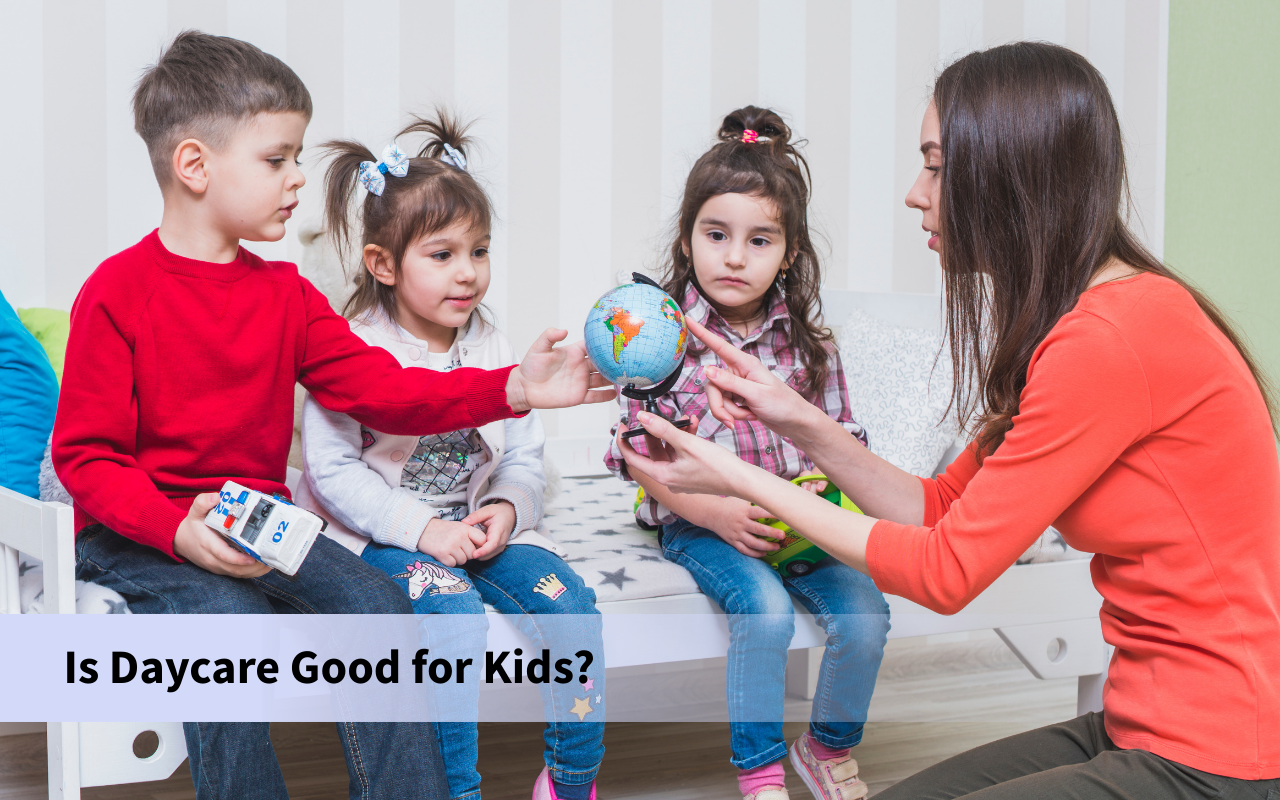
Child care centers are part of everyday life for many families, which is why the question Is daycare good for kids? comes up so often. Parents want a place where their child feels safe, stays active, and gets gentle guidance throughout the day. These centers also bring families together, creating a small community around shared routines. And when the environment is warm and steady, kids pick up confidence, connection, and early learning in ways that quietly shape their growth.
This article walks you through what daycare actually offers, why families choose it, how it supports early growth, and the signs that a child may be ready.
What Is Daycare?
Daycare is a structured environment where children spend part of their day under the guidance of trained caregivers. Some families use it full-time, while others use it for just a few days each week. For many children, it’s their first space outside home where they interact with new faces, try fresh routines, and have new experiences.
If you’ve ever walked into a warm, lively classroom with tiny chairs, soft rugs, blocks scattered around, and a teacher crouched down at eye level, you probably already know why parents consider it. It feels like a small community built just for them.
What Is the Purpose of Daycare
The purpose of daycare shifts a little depending on who you ask. A parent might say it helps them balance work and family. Caregivers look at it as a space where children grow through everyday moments. A child may see it as a place where fun happens. All of these perspectives are true in their own way.
Here’s a quick look at the main reasons:
- Support families who need consistent care for their children.
- Offer a space where kids learn through everyday activities.
- Create early social experiences that help kids understand group dynamics.
- Provide a safe environment with predictable routines.
- Help children practice independence in small, manageable steps.
When people wonder if day care is good for babies, they’re usually wondering if their little one will get the kind of attention and comfort they’re used to at home.
At our daycare, babies spend their day with caregivers who move at their pace, hold them when they need closeness, and guide them through simple sensory activities that help them feel secure. The room stays calm, the routines are steady, and every baby is watched closely so parents know their child is getting care that’s both gentle and supportive.
Benefits of Daycare for Kids
Walk into any high-quality daycare and you’ll notice kids doing more than just passing the time. You might see a toddler trying to stack blocks into a shaky tower, a preschooler learning to wait patiently for their turn, or a caregiver narrating the morning to a baby who listens closely, even if they can’t respond with words yet.
The question, Is daycare good for kids, often leads back to these everyday moments. They look small, but they build essential skills.
Some of the leading benefits include:
- Growth in communication, from simple gestures to confident talking.
- Early friendships that teach sharing, empathy, and patience.
- Play that builds hand coordination and whole-body skills.
- Exposure to books, stories, and songs that strengthen early literacy.
- A sense of belonging outside the family circle.
At our daycare in Arlington, WA, many parents tell us they chose this place because the moment they walked in, they could sense the warmth in the classroom and the way our teachers truly connect with the kids.
How Daycare Supports Early Childhood Development
The phrase Is daycare good for child development comes up often in parenting blogs and late-night internet scrolling. Much of the research says yes, as long as the environment is well-designed and caregivers are consistent and attentive.
Children develop through repetition, encouragement, and interaction. Daycare offers these in steady amounts. A toddler repeating new words during circle time, a preschooler learning to follow simple steps during cleanup, or a baby responding to songs all fall under early developmental growth.
And there’s something else many parents notice: children who attend daycare tend to become comfortable with new situations a little sooner. They get used to adapting, communicating, and navigating small challenges.
Signs That Your Child Is Ready for Daycare
Some parents can tell right away that their child is ready for daycare, but for many, it’s a bit murky. A child who seems confident at home may hold on tightly during the first few drop-offs, then ease into the routine with time. Another might charge in on the first day and only start feeling unsure a little later. Every child adjusts differently, and that uneven process is completely normal.
Here are a few signs that may help you decide:
- Your child shows interest in other kids, even if it’s from a distance.
- They handle short separations from you without lasting distress.
- They enjoy simple routines and predictability.
- They show curiosity about new toys, new rooms, or new experiences.
- You sense that they need more stimulation or structure than the home offers daily.
Parents often ask about the best age to start daycare. There isn’t a single universal age, but many families choose somewhere between 12 months and 3 years. Some start earlier because of work schedules or personal needs, which is perfectly valid. What matters most is whether the environment aligns with how your child reacts to new people, new spaces, and daily routines.
How to Choose the Right Daycare for Your Child
Choosing a daycare can bring up a lot of feelings, and that’s normal. Some places simply feel comfortable the moment you walk in, and others don’t, even if everything seems fine.
Paying attention to that first reaction often helps parents spot the environment where their child will feel relaxed and supported.
When comparing options, you might consider:
- Caregivers who genuinely connect with children rather than just supervise.
- Clean, inviting classrooms with age-appropriate activities.
- Open communication between staff and families.
- A daily rhythm that balances play, rest, and learning.
- Safety checks, certifications, and clear procedures.
Families often look at factors such as reputation, teacher turnover, and the atmosphere during a surprise visit.
Final Words on Is Daycare Good for Kids?
So, is daycare good for kids? For many families, yes. Daycare provides social growth, early learning, and a supportive routine. Some children thrive quickly; others take time to warm up. That’s natural. What matters is finding a place where your child feels safe, understood, and seen as an individual.
Most parents are simply trying to find a place where their child can settle in comfortably and grow at their own pace. Once they find a daycare that feels genuinely in tune with their child, the whole experience shifts. It stops being a task on the calendar and becomes a place where children feel free to grow, one small moment at a time.
If you’re comparing daycare costs in Arlington, we’re always happy to walk you through what’s included, so you know exactly how your child’s day looks and what kind of care you’re investing in.
At Blancas Daycare De Colores, we offer a warm, nurturing space where your child can learn, explore, and feel genuinely cared for. Our team creates a welcoming environment that supports early growth while giving parents peace of mind. We’d be happy to talk, answer questions, or schedule a visit so you can see the space yourself.
Call 707-210-4802 to connect with us today.
FAQs – Is Daycare Good for Kids?
How many hours of daycare per day are ideal for children?
Many children do well with 6 to 8 hours, though this varies. Some need shorter days at first. Easing into the schedule often helps.
Are kids who don't go to daycare healthier?
Children in daycare may catch more minor illnesses early on. Over time, many build stronger immunity. Kids at home may get sick less often, though this doesn’t necessarily mean better long-term health outcomes.
How to prepare your kids for the first day of daycare?
Talk positively about the new space, visit beforehand if possible, pack familiar comfort items, and keep the first goodbye short and calm. Gradual adjustment makes a noticeable difference.
What is the best age to put a child in daycare?
Many families choose between one and three years, though babies and older preschoolers can adapt as well. Look at your child’s temperament and your family’s needs.
Is daycare good for toddlers?
Yes, many toddlers enjoy the routine, play, and social contact that daycare provides. Some need a slower introduction, which is normal.